
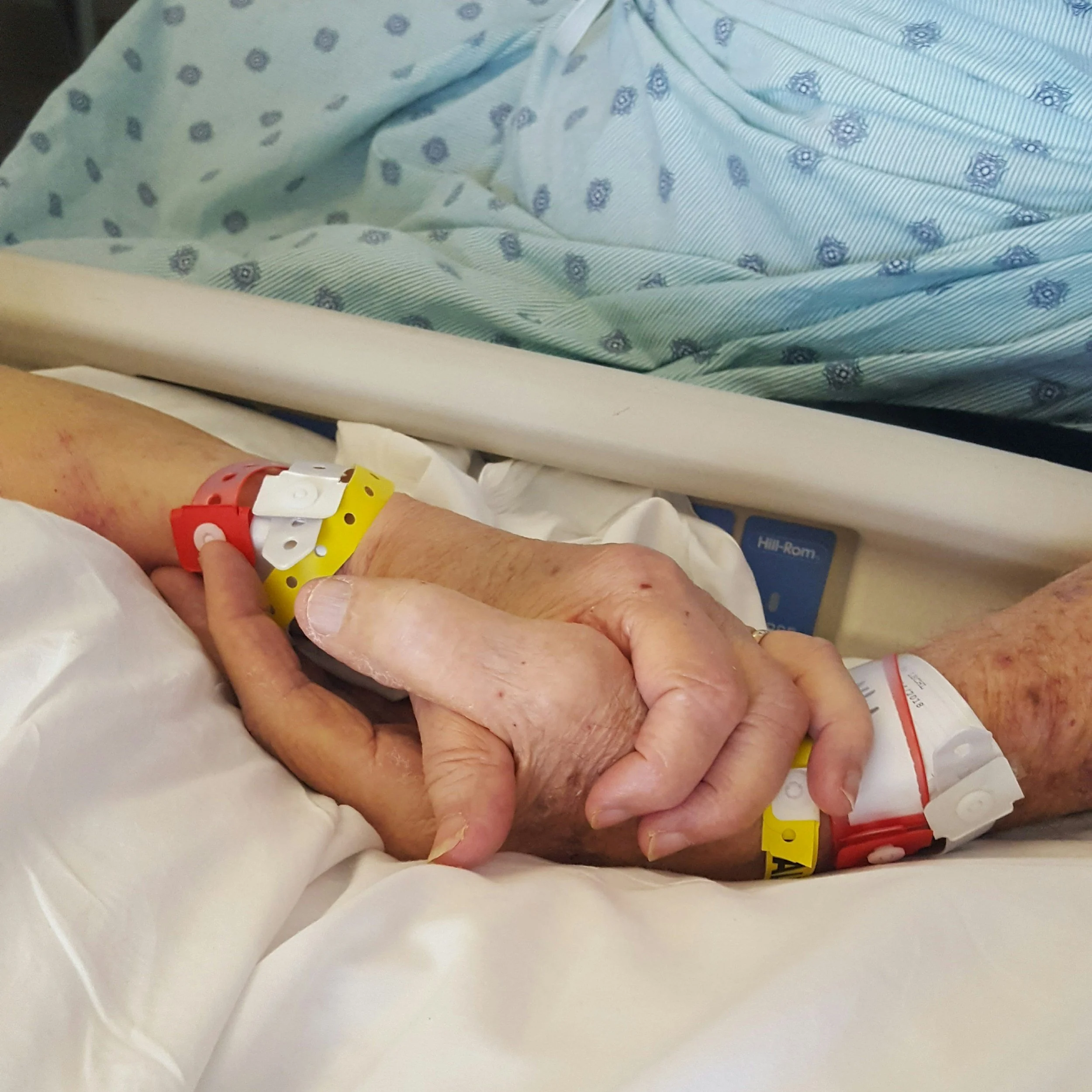
After a stroke, many people leave the hospital for a short-term stay in skilled nursing rehab, where licensed nurses provide 24-hour care and physical, occupational, and speech therapists work on movement, daily activities, and communication. The first 30 days usually cover assessment, a daily therapy routine, regular progress reviews, and early planning for what comes next.
What Is Stroke Rehab in a Skilled Nursing Setting?
A stroke can affect how a person moves, speaks, swallows, thinks, and manages everyday tasks. Rehabilitation is the work of rebuilding those abilities, or learning new ways to do things, with the help of trained therapists.
In a skilled nursing setting, that therapy happens alongside nursing care. Nurses manage medications, watch for changes, and help with needs that would be hard to handle at home in the first weeks. Therapists see your parent on a regular schedule and adjust the plan as they learn what your parent can do.
The American Stroke Association notes that rehabilitation often begins in the hospital, soon after a person is medically stable. A skilled nursing stay continues that work in a setting built for it.
Where Can Rehab Happen After a Stroke?
Before discharge, the hospital team will recommend a setting. Families in Los Angeles usually hear about three options. They are not interchangeable, and the right one depends on your parent's medical needs and how much therapy they can take part in each day.
Inpatient Rehabilitation Facility
An intensive therapy program with physician oversight, typically providing more hours of therapy each day. This setting is often a fit when your parent is medically stable and able to take part in a demanding daily program.
Skilled Nursing Rehab
Physical, occupational, and speech therapy paired with 24-hour licensed nursing care. This setting is often a fit when your parent needs ongoing nursing support, tires easily, or needs a steadier pace.
Home Health or Outpatient Therapy
Therapy visits at home or at a clinic, with family providing day-to-day help. This setting is often a fit when your parent is safe at home and has reliable help between visits.
Which one when: if your parent needs nursing care around the clock and cannot yet manage an intensive program, skilled nursing rehab is often the setting the hospital recommends.
What to Expect in the First 30 Days
Every recovery is different, and no one can promise a timeline. Still, most skilled nursing rehab stays follow a similar rhythm. Knowing it can make the first month feel less uncertain.
Days 1 to 3: Arrival and assessment
Your parent arrives from the hospital with discharge paperwork and a medication list. Nurses review both and get your parent settled. Over the first few days, physical, occupational, and speech therapists each complete an evaluation. They look at strength, balance, swallowing, speech, memory, and how much help your parent needs to dress, bathe, and move from bed to chair.
This is a good time to share what your parent's life looked like before the stroke: where they live, who is at home, what matters most to them. Those details shape the goals.
Week 1: A care plan and a routine
The team sets goals and a therapy schedule. Sessions are usually spread through the day, with rest in between. Fatigue is common after a stroke, and a good plan allows for it. You should hear who the main contacts are and how updates will reach you.
Weeks 2 and 3: Building on small gains
Therapy becomes more specific. Physical therapy may focus on standing, walking, and balance. Occupational therapy works on dressing, bathing, eating, and other daily activities. Speech therapy may address speech, understanding, memory, or swallowing. Progress is often uneven. A strong day can be followed by a tiring one, and that is expected.
Many communities hold a care conference in this window. It is your chance to ask what has changed, what has not, and what the team is working toward.
Week 4: Looking ahead
By the end of the first month, the conversation turns to what is next. Some people are ready to go home with outpatient or home health therapy. Some continue rehab. Others may need longer-term support, such as assisted living or ongoing skilled nursing care. Discharge planning should start well before the last day, so there is time to arrange equipment, home changes, or a move.
If your parent is leaving a Los Angeles hospital after a stroke and you are weighing rehab options, our team is glad to talk it through. Speak With Our Team.
How Can Families Help During Rehab?
Visit at different times of day. You will see how your parent is doing in therapy, at meals, and at rest.
Ask to observe a therapy session. Therapists can show you how to help safely and what to leave for your parent to do on their own.
Bring familiar things. Glasses, hearing aids, comfortable clothes, and photos help a room feel more like their own.
Keep one notebook. Write down questions, names, and what you were told. It saves repeating yourself across shifts.
Watch mood as well as movement. Frustration and low mood are common after a stroke. Tell the care team what you notice.
How to Choose a Stroke Rehab Setting in Los Angeles
Hospitals often give families a short list and very little time. A few questions can help you compare:
Are physical, occupational, and speech therapy all available on site, and how many days a week?
Who will update the family, and how often?
How does the team plan for discharge, and when does that planning start?
Is the community close enough for family to visit often? For families in Eagle Rock, Highland Park, Glendale, or Pasadena, a nearby location can make regular visits realistic.
What happens if your parent needs more support after rehab? Is there assisted living, memory care, or long-term skilled nursing on the same campus?
What do Medicare's Care Compare listings and recent state inspection reports show?
For more on comparing communities, see our guide to skilled nursing and rehab in Los Angeles.
How Is Skilled Nursing Rehab Paid For?
Medicare Part A may cover a limited skilled nursing stay after a qualifying hospital stay, as long as its conditions are met and your parent continues to need skilled care. Medicare Advantage plans have their own rules and networks. Because coverage details and cost-sharing change, the most reliable sources are Medicare.gov and your parent's plan.
Ask the hospital case manager to confirm what your parent qualifies for before discharge, and ask each community what payment sources it accepts.
What Happens After the First 30 Days?
Rehabilitation does not end on a set date. Many people keep working with therapists for months, in whatever setting suits them. The question at the one-month mark is where your parent can be safe and keep making progress.
If going home is the goal, ask for a clear list of what your parent will need there. If more support seems likely, a level of care assessment can help match your parent to the right setting, and our comparison of assisted living and skilled nursing explains the difference between the two.
Why Families Choose Solheim
Solheim Senior Community is a nonprofit Life Plan Community in Eagle Rock that has served Northeast Los Angeles since 1923. Skilled nursing and rehabilitation share one campus with residential living, assisted living, memory care, and respite care, so a person whose needs change after rehab may be able to stay in a place that already feels familiar. Solheim has been recognized by U.S. News and Newsweek among 2024's best continuing care and nursing home facilities. Families from Glendale, Pasadena, Highland Park, and nearby neighborhoods often tell us that being close enough to visit regularly made a hard month easier.
FAQs
-
In a skilled nursing rehab setting, licensed nurses provide round-the-clock care while physical, occupational, and speech therapists work with your mother on a plan built around her goals. The first days focus on assessment and safety. Solheim Senior Community in Eagle Rock, Los Angeles offers skilled nursing and rehabilitation on one campus.
-
It depends on the person. Some stays last a few weeks and others run longer, based on how the stroke affected movement, speech, and daily activities, and on progress in therapy. The care team reviews goals regularly and should tell you early what they are working toward and what a safe discharge may look like.
-
Medicare Part A may cover a limited skilled nursing stay after a qualifying hospital stay when its conditions are met, and coverage depends on a continued need for skilled care. Rules and cost-sharing change, so check Medicare.gov or your plan for current details, and ask each community what payment sources it accepts.
-
An inpatient rehabilitation facility typically provides more hours of therapy each day and suits people who can take part in an intensive program. Skilled nursing rehab pairs therapy with 24-hour nursing care at a pace that may fit someone who needs more medical support or tires easily. The hospital team recommends a setting based on your parent's condition.
-
Solheim Senior Community in Eagle Rock, Los Angeles provides skilled nursing and rehabilitation on a nonprofit campus that also includes assisted living and memory care. Families from Highland Park, Glassell Park, Glendale, Pasadena, and across Northeast LA can call (323) 257-7518 or schedule a visit to talk through a parent's needs after a stroke.
Choosing rehab after a stroke is a lot to take in, and you do not have to sort it out alone. Schedule a Tour or call (323) 257-7518 to talk with our team about the right next step.
