
What Is Teepa Snow's Positive Approach to Care — and How Solheim Uses It in Memory Care
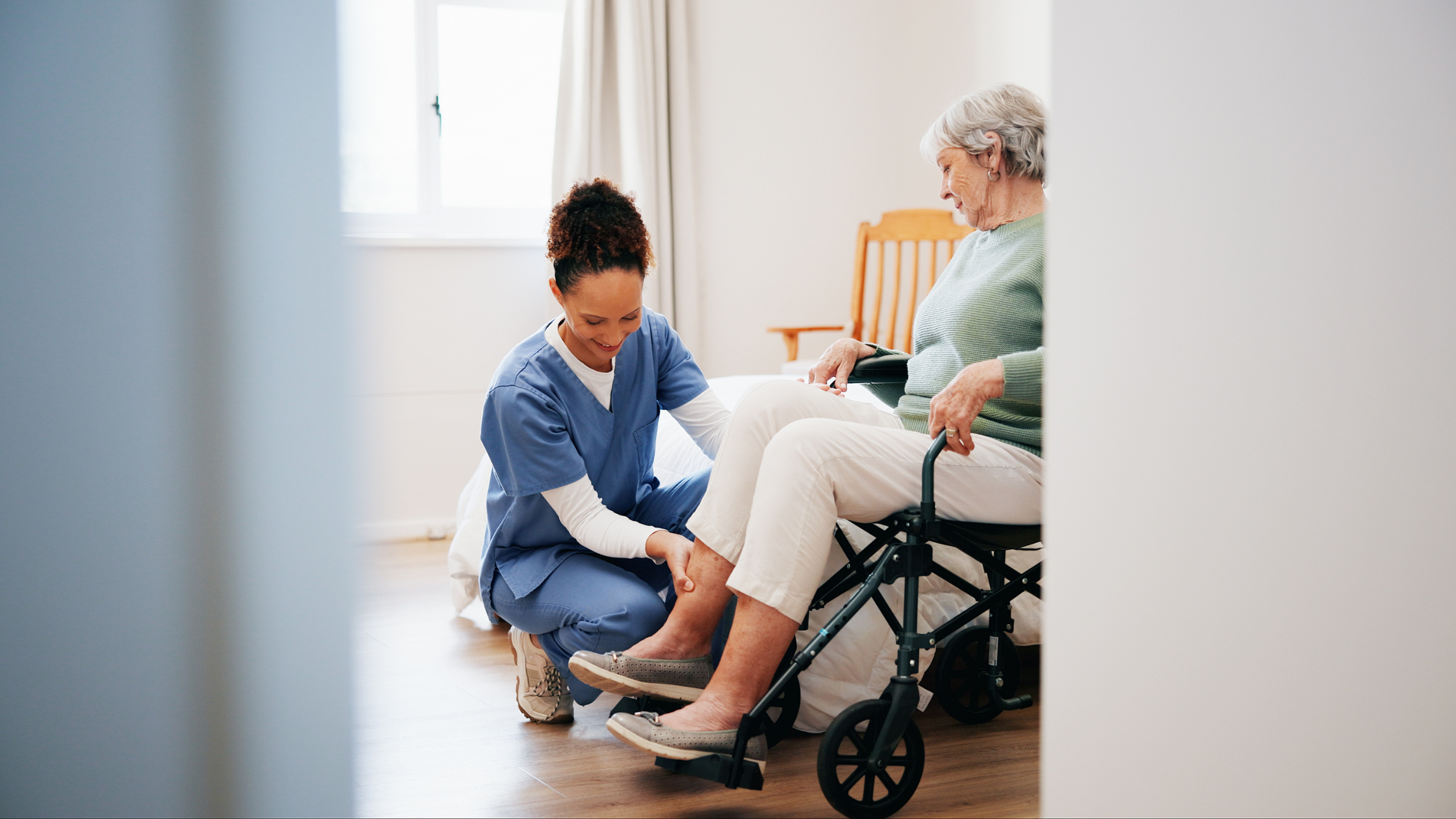
If you're researching memory care for a parent or spouse, you may have come across the name Teepa Snow. She is one of the most respected dementia care educators in the country, and her method — Positive Approach to Care® (PAC) — has changed how skilled caregivers support people living with dementia. At Solheim Senior Community, our memory care team is trained in Teepa Snow's Positive Approach to Care, and it shapes how we connect with and care for every resident living with Alzheimer's or another form of dementia. Here's what that means for your family.
Who is Teepa Snow?
Teepa Snow is an occupational therapist with decades of clinical experience and one of the most sought-after dementia care educators and speakers in the world. She founded Positive Approach to Care — a woman-owned company — to share what she has learned about the brain and about caregiving, so that people living with dementia, and those who care for them, can have better days. Her teaching blends the science of what is happening in the brain with practical, hands-on techniques that caregivers can use right away.
What is Positive Approach to Care (PAC)?
Positive Approach to Care is both a philosophy and a set of skills. Its central idea is simple but powerful: focus on what a person living with dementia can still do, not on what they've lost. Rather than treating dementia as a list of deficits, PAC teaches caregivers to recognize retained abilities and meet each person where they are — with empathy, dignity, and connection.
PAC training helps caregivers understand the physical and functional changes happening in the brain as dementia progresses. The belief is that when caregivers truly understand how dementia changes the way a person sees, hears, processes, and responds to the world, they can provide care that reduces fear and frustration and makes room for genuine moments of connection. In short, PAC emphasizes:
Abilities over limitations. Care starts from what a person can still do.
Person-centered support. Care is tailored to each individual, not a one-size-fits-all routine.
Understanding brain change. Caregivers learn what's happening in the brain, not just how to manage behavior.
Empathy and dignity. Respect guides every interaction.
Meaningful engagement. Daily moments become chances to connect rather than tasks to complete.
The GEMS® Brain Change Model
One cornerstone of PAC is the GEMS® Brain Change Model. Instead of the traditional, deficit-focused way of “staging” dementia, the GEMS model describes where a person is on their journey using gemstones, each representing different and changing abilities and needs. The idea is that, like gems, every person is precious and valuable — and the right setting and support can help them shine.
For caregivers, GEMS is a practical, everyday tool. It helps them recognize where each resident is right now and adjust communication, activities, and routines to match — because what supports one person can overwhelm another. That flexibility is at the heart of good memory care.
Signature techniques: Positive Physical Approach™ and Hand-under-Hand®
PAC is also known for specific, teachable techniques that caregivers use in the moment:
Positive Physical Approach™ (PPA). A respectful way of approaching someone living with dementia — coming from the front, at eye level, and moving slowly — that reduces startle and fear and helps build trust.
Hand-under-Hand®. A guiding technique that offers help while preserving a person's sense of control and dignity, useful for everything from sharing a meal to walking together.
These techniques can sound small, but for someone living with dementia they can be the difference between a moment of fear and a moment of calm.
How Solheim puts Positive Approach to Care into practice
At Solheim Senior Community, our memory care team is trained in Teepa Snow's Positive Approach to Care. That training shapes daily life in our Eagle Rock memory care community in practical ways:
Staff approach residents using the Positive Physical Approach, reducing anxiety and building trust.
Care is tailored to each resident's current abilities using the GEMS framework, so support matches the person.
Everyday moments — meals, dressing, activities — become opportunities for connection rather than tasks to complete.
Families are supported too, with a team that can help them understand what their loved one is experiencing and how to connect.
For families, this means a memory care community where dignity and connection aren't just words on a page — they're a trained, shared practice.
Why this matters when choosing memory care in Los Angeles
Many memory care communities describe themselves as compassionate. What sets a community apart is whether that compassion is backed by real training. A team trained in a recognized approach like Positive Approach to Care is better equipped to respond calmly to confusion, ease difficult moments, and help residents feel understood. For families comparing memory care in Los Angeles, asking whether a community's staff are trained in a method like Teepa Snow's PAC is one of the most revealing questions you can ask on a tour.
Want to see what Positive Approach to Care looks like in daily life? Schedule a tour of Solheim's Eagle Rock memory care community, or speak with our team about your family's needs.
FAQ
-
Teepa Snow is an occupational therapist and internationally recognized dementia care educator, and the founder of Positive Approach to Care (PAC).
-
A dementia care philosophy and skill set that focuses on a person's retained abilities rather than their limitations, emphasizing empathy, dignity, and connection.
-
A strengths-based way of understanding where a person is in their dementia journey, used to tailor communication, activities, and routines to their current abilities.
-
No. PAC does not treat, cure, or slow dementia. It improves how care is delivered and how people living with dementia are understood and supported.
