
Senior Surgery Recovery: What Rehab Timelines Look Like
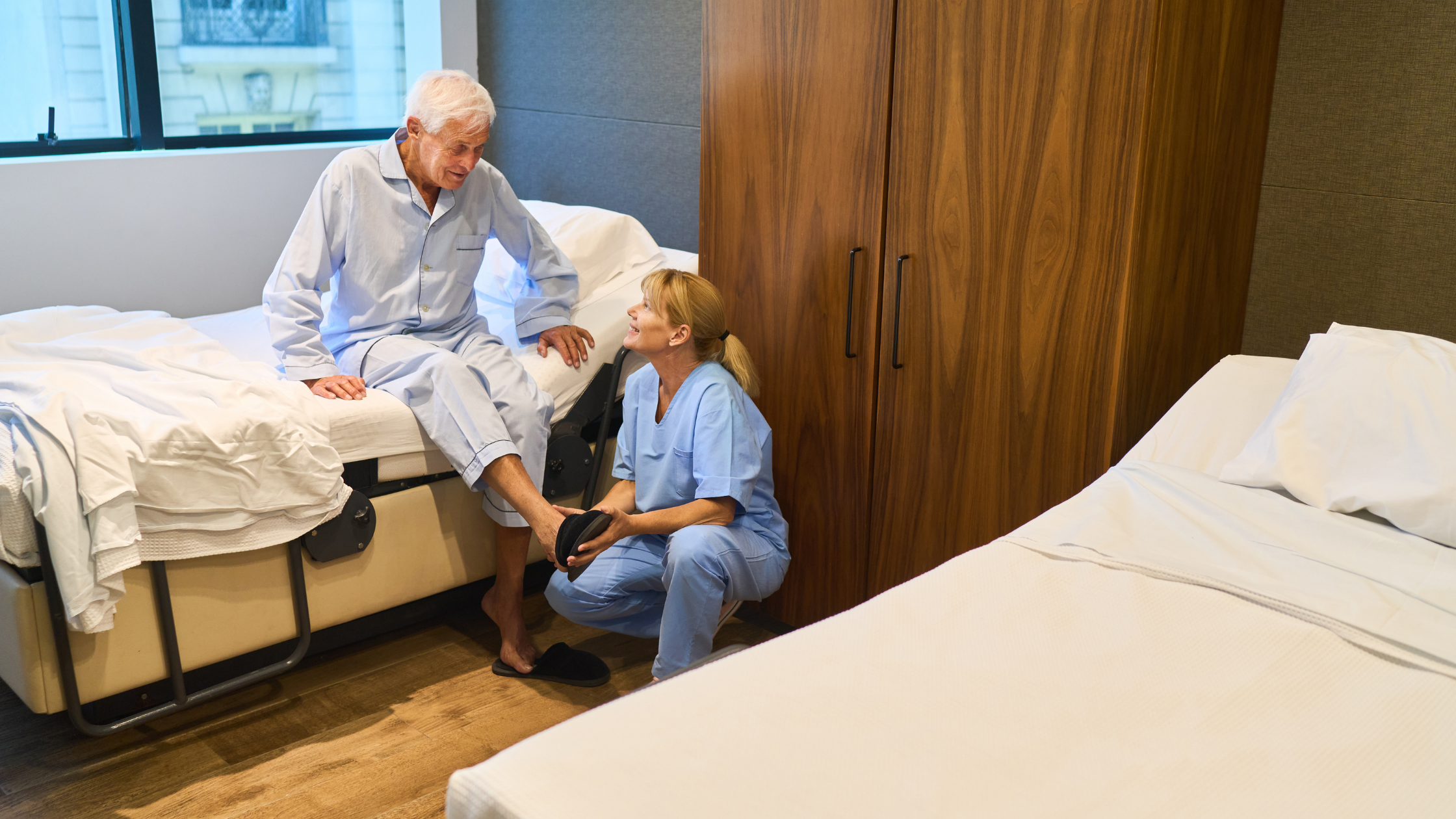
The hospital calls with a discharge date, and it's sooner than anyone expected. Suddenly, the focus shifts from the surgery itself to a question nobody fully prepared for: where does rehabilitation happen, and how long will it actually take? Families often leave discharge conversations with vague timeframes and more questions than answers. A common question we hear from families is: how long does senior rehabilitation take after surgery? The honest answer depends on the surgery type, the care setting, and the individual, but reliable averages exist, and they're specific enough to make real planning possible.
This article gives you the concrete picture. You'll find realistic timelines broken down by surgery type, the clinical factors that push recovery longer or shorter, the milestones that signal real progress, and the questions to ask before and after a procedure so nothing catches you off guard. Knowing what to expect makes it possible to plan, advocate, and choose the right setting with confidence.
How long does senior rehabilitation take after surgery, timelines by procedure
Recovery time depends on the surgery, the setting, and the person. But there are reliable averages, and those averages are specific enough to be genuinely useful for planning.
Hip replacement recovery timeline
For seniors who qualify for an inpatient rehabilitation facility (IRF), the average hip replacement rehab stay runs 9 to 10 days. Seniors treated in skilled nursing facilities (SNFs) typically stay 24 to 30 days, reflecting the less intensive pace of therapy in that setting. Acute hospital stays for hip replacement have dropped to just 1 to 3 days under modern fast-track protocols, but that compressed hospital stay doesn't compress the rehabilitation phase. That work still needs to happen. Studies linking early discharge to higher readmission rates and worse functional outcomes confirm that rushing post-op rehab carries real risk.
Knee surgery and what changes
Knee replacement follows a nearly identical inpatient pattern: 9 to 10 days in an IRF for appropriate candidates, up to 30 days in an SNF for frailer patients. Fast-track surgical protocols have reduced the acute hospital stay to as little as 2 to 4 days in many centers, but rehabilitation duration hasn't shifted much. The body still needs those weeks of structured physical therapy to restore safe, functional movement.
Stroke recovery: a longer road
Stroke is the most variable of the common post-surgical scenarios. Intensive inpatient rehab averages 12 to 15 days for qualifying patients, but neurological recovery continues well beyond discharge. Outpatient physical therapy for stroke patients typically runs 3 to 6 months, and some deficits require ongoing maintenance therapy beyond that window. The first weeks establish momentum, but stroke recovery is measured in months, not days.
Where senior rehab happens: IRF, SNF, or outpatient PT
The setting where rehabilitation takes place is not random. It's determined by a senior's medical stability, functional capacity, and ability to tolerate therapy intensity. Families who understand this system can ask better questions and push back when a placement doesn't seem right.
Inpatient rehabilitation facilities (IRF)
IRFs are high-intensity environments that require roughly 3 hours of therapy per day, 5 days a week. The average stay across all diagnoses runs 12 to 15 days. To qualify, a senior must be medically stable and physically able to tolerate that therapy load, which rules out frailer patients who would be overwhelmed. For those who qualify, IRFs represent the fastest path through the acute rehabilitation phase.
Skilled nursing facilities and short-term rehab after surgery
SNFs offer a moderate-intensity alternative for seniors who can't yet manage the IRF pace. Medicare covers 100% of SNF costs for the first 20 days, after which a daily coinsurance of $217 (2026 rate) applies through day 100. Solheim Senior Community in Eagle Rock, Los Angeles, provides short-term skilled nursing rehabilitation where individualized care plans are built around each resident's surgical history, baseline function, and personal recovery goals. That individualized approach matters enormously: a one-size-fits-all timeline rarely reflects how any real person actually heals.
Outpatient physical therapy
Once a senior is safely home, outpatient PT begins the final phase of structured recovery. Sessions typically focus on gait training, balance work, and functional strength, the building blocks of safe independent living. Most meaningful functional gains occur in the first 3 to 4 months. Therapy may continue longer for stroke patients or complex orthopedic cases, often transitioning to a maintenance focus after the primary recovery window closes.
The factors that stretch or shorten senior recovery
Age gets blamed for slow recovery far more than the evidence warrants. The actual drivers of prolonged rehabilitation are more specific, and knowing them helps families understand what they're working with before a procedure ever happens.
Frailty and comorbidity burden are the biggest predictors
A systematic review of post-operative outcomes in older adults shows frailty carries a relative risk ratio of 3.90 for loss of independence after surgery, the highest of any pre-operative factor studied. High comorbidity burden, measured by the Charlson Comorbidity Index, comes in second at 3.30. These two factors matter far more than age alone when predicting how long recovery will take and how complete it will be. Understanding a senior's frailty status before surgery is one of the most actionable steps a family can take.
Age plays a role, but less than most people think
Seniors 80 and older do trend toward longer stays, around 13 days in rehabilitation units compared to shorter stays for younger patients. But age carries a risk ratio of just 1.03 per year in the research. That is a modest number compared to frailty or comorbidity burden. Baseline function and health complexity are what really drive the post-op rehab timeline for seniors.
Surgical complications and post-op events
Major complications, particularly ICU stays or the need for ventilator support, significantly extend rehabilitation. Ventilator support during admission carries a risk ratio of 1.90 for loss of independence, the highest post-operative factor identified. Postoperative delirium, which affects roughly 40% of older surgical patients, is one of the most common and most underappreciated causes of delayed recovery. Evidence from multicomponent intervention trials, including the Hospital Elder Life Program (HELP), shows that structured orientation, sleep, and mobility protocols can prevent a meaningful share of delirium cases when facilities implement them consistently.
Early milestones that predict a shorter rehab stay
Progress in rehabilitation isn't just about time passing. Specific, measurable milestones early in recovery predict shorter overall stays and better long-term outcomes. Families who know what to look for can track genuine progress and ask sharper questions when things seem stalled.
Getting moving within 24 to 48 hours matters more than most people realize
Starting mobilization within the first 24 to 48 hours after surgery is one of the strongest predictors of a shorter stay. Seniors who began inpatient rehab on day 3 had a mean stay of 11.7 days, compared to 14.5 days for those who started on day 7. That four-day gap in start time produced a nearly three-day difference in total rehabilitation stay. Early movement fundamentally shapes the outcome, it isn't just beneficial; it's one of the most reliable levers available.
Functional benchmarks in the first two to three weeks
Sitting for more than 30 minutes and standing for more than 5 minutes without assistance are early indicators of functional independence. The ability to walk household distances without an assistive device predicts progression to the next phase of care. ADL recovery within the first month is a strong predictor of one-year outcomes, which means the early weeks carry outsized weight for the long arc of recovery.
Discharge criteria: what has to be true before going home
One of the most anxiety-producing moments in post-surgical recovery is not knowing when the facility will say it's time to leave. The criteria are actually structured and consistent, which is reassuring once families understand them.
Medical stability and goal attainment
Discharge from post-acute rehab requires stable vital signs, completed medical follow-up, and either rehabilitation goals met or a documented functional plateau. Seniors who can no longer improve meaningfully in the intensive setting transition to a less-intensive level of care rather than remaining in place indefinitely. The system is designed to match intensity of care to actual need at each stage of recovery.
The numbers: most seniors do go home
Roughly 84% of Medicare beneficiaries discharge successfully to the community and avoid re-hospitalization or institutionalization within 30 days. About 16% transition to long-term care, typically seniors with cognitive impairment, severe functional deficits, or inadequate home support. Musculoskeletal cases like hip and knee replacement have the highest community discharge rates, around 89%. Those numbers should be grounding for families who fear the worst.
Questions to ask before and after surgery to plan the recovery
The families who navigate post-surgical recovery most effectively are the ones who asked the right questions before admission, not after. A few targeted conversations can eliminate the most common surprises.
Questions for the surgical team
Ask the surgeon directly: What level of care will my parent need after discharge? What's the expected inpatient rehab duration for this procedure given their health profile? Are there pre-surgery interventions, sometimes called prehabilitation, that would reduce recovery time or improve outcomes? Most surgeons can speak to expected recovery timelines and risk factors; asking for institution-specific averages and any risk adjustments based on your parent's profile is a reasonable and productive conversation. Research on frailty screening and pre-operative physical therapy suggests these approaches may shorten recovery and improve functional outcomes; ask whether your surgical team incorporates them.
Questions for the facility and insurer
Ask the rehab facility: What does a typical daily therapy schedule look like here? How are care plans adjusted if progress stalls? These questions reveal whether a facility treats each resident individually or runs everyone through the same program. Ask Medicare or the supplemental insurance plan: How many days are covered at the SNF level, and what triggers the transition to patient cost-sharing? Understanding the financial structure before admission prevents the kind of rushed discharge decisions that happen when families are surprised by a bill.
Planning ahead changes what's possible
Senior rehabilitation timelines after surgery are predictable within a range. The surgery type sets the baseline. Several factors move someone toward the shorter end of that range: early mobilization, strong baseline function, the right facility, and individualized care planning. These are knowable and, in most cases, actionable well before surgery day.
Choosing the right rehabilitation setting is one of the highest-leverage decisions a family makes in this process. The difference between a facility that builds a plan around your parent's specific surgical history and one that runs the same program for everyone shows up directly in recovery duration and outcomes. Families in the Los Angeles area should have this conversation before a procedure happens, not during the 48-hour discharge window when options feel limited and pressure is high.
Understanding how long senior rehabilitation takes after surgery is the first step toward making that choice wisely. Solheim Senior Community in Eagle Rock offers short-term skilled nursing rehabilitation as part of a full continuum of care that includes assisted living, memory care, and residential living, all on one nonprofit campus that has been serving seniors since 1923. To learn more about post-surgical rehabilitation options or to schedule a tour, contact Solheim Senior Community directly. Tours are available Monday through Saturday.
Frequently asked questions about senior rehabilitation after surgery
-
For most common orthopedic procedures, seniors in an inpatient rehabilitation facility (IRF) stay an average of 9 to 15 days. Those in skilled nursing facilities typically stay 24 to 30 days. Outpatient physical therapy then continues for 1 to 6 months depending on the procedure and the individual's baseline health. Stroke recovery timelines are longer and more variable than orthopedic cases.
-
Frailty status and comorbidity burden are the strongest predictors, far more so than age alone. Early mobilization, the care setting, and the presence or absence of post-operative complications like delirium also significantly influence how long senior rehabilitation takes after surgery.
-
Yes. Medicare Part A covers 100% of SNF costs for the first 20 days following a qualifying hospital stay of at least 3 days. From day 21 through day 100, a daily coinsurance applies (currently $217 in 2026). After day 100, Medicare SNF coverage ends. IRF stays are covered under similar Part A rules. Supplemental insurance plans vary, so confirming coverage specifics before discharge is important.
