
Memory Care Facilities in California
A Family's Guide, With a Los Angeles Focus
When a parent or spouse is living with Alzheimer's disease or another form of dementia, families reach a point where staying safe at home is no longer possible. The search for memory care facilities in California can feel overwhelming — the options are many and the stakes are personal. This guide explains what memory care is, how to choose a community, and what families across Los Angeles should look for close to home.

What is memory care?
Memory care is a specialized form of senior living designed for people living with dementia. It combines a secure environment, staff trained specifically in memory loss, and a structured daily routine built to reduce confusion and support dignity. It's more than supervision: good memory care keeps residents engaged, calm, and safe, with support tailored to each person's stage and needs.
In California, memory care may be offered within an assisted living community, as a dedicated memory care residence, or as part of a larger community that provides multiple levels of care on one campus.
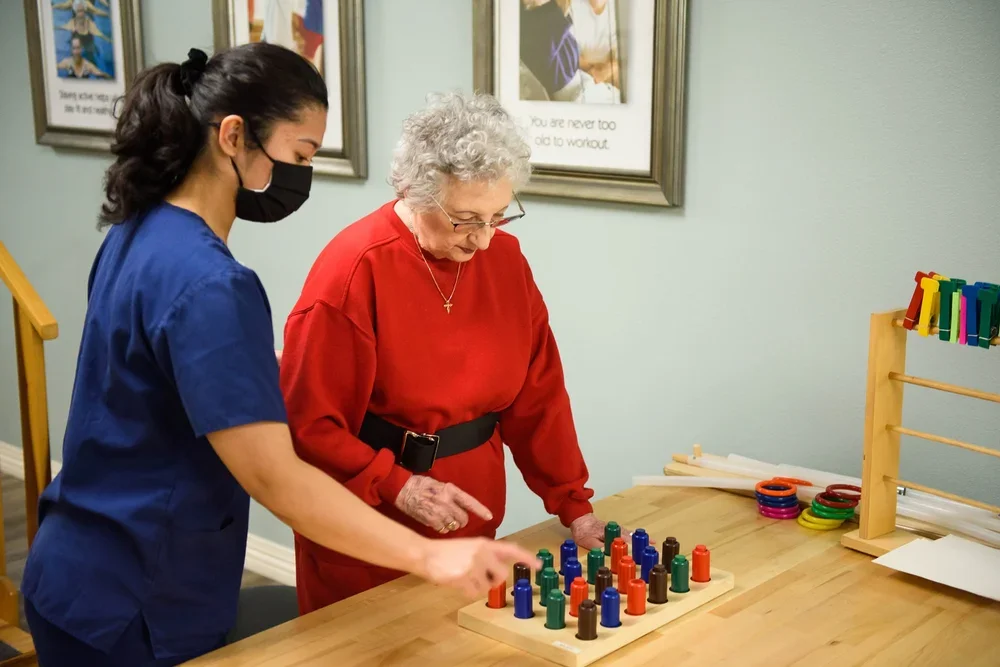
What to look for in a memory care facility
As you compare memory care facilities in California, focus on the things that shape daily life for your loved one:
A secure but warm setting. Good memory care feels like a home that happens to be safe — not a locked ward. Look for secure outdoor spaces and easy-to-navigate layouts.
Trained, consistent staff. Caregivers who understand dementia and who know each resident by name make the biggest difference. Ask about training and staff turnover.
Structure and engagement. Predictable routines and meaningful activities — music, art, gentle movement, sensory programs — help residents stay connected and calm.
Licensing. Confirm the community is licensed by California's Department of Social Services, Community Care Licensing Division.
A continuum of care. A community that also offers assisted living and skilled nursing can support changing needs without another disruptive move.
Wondering whether memory care is the right step for your loved one? Speak with our team at Solheim — we're here to help you understand your options.
Signs it may be time for memory care
Families often wrestle with timing. While every situation is different, some signs suggest that in-home care may no longer be enough:
Wandering, getting lost, or safety concerns at home
Missed medications or trouble managing daily routines
Increasing confusion, agitation, or changes in behavior
Caregiver exhaustion, or a caregiver who can no longer provide the support needed
If several of these feel familiar, it may be worth exploring memory care sooner rather than waiting for a crisis. Moving before an emergency gives families more time to choose well and helps a loved one settle in more smoothly.
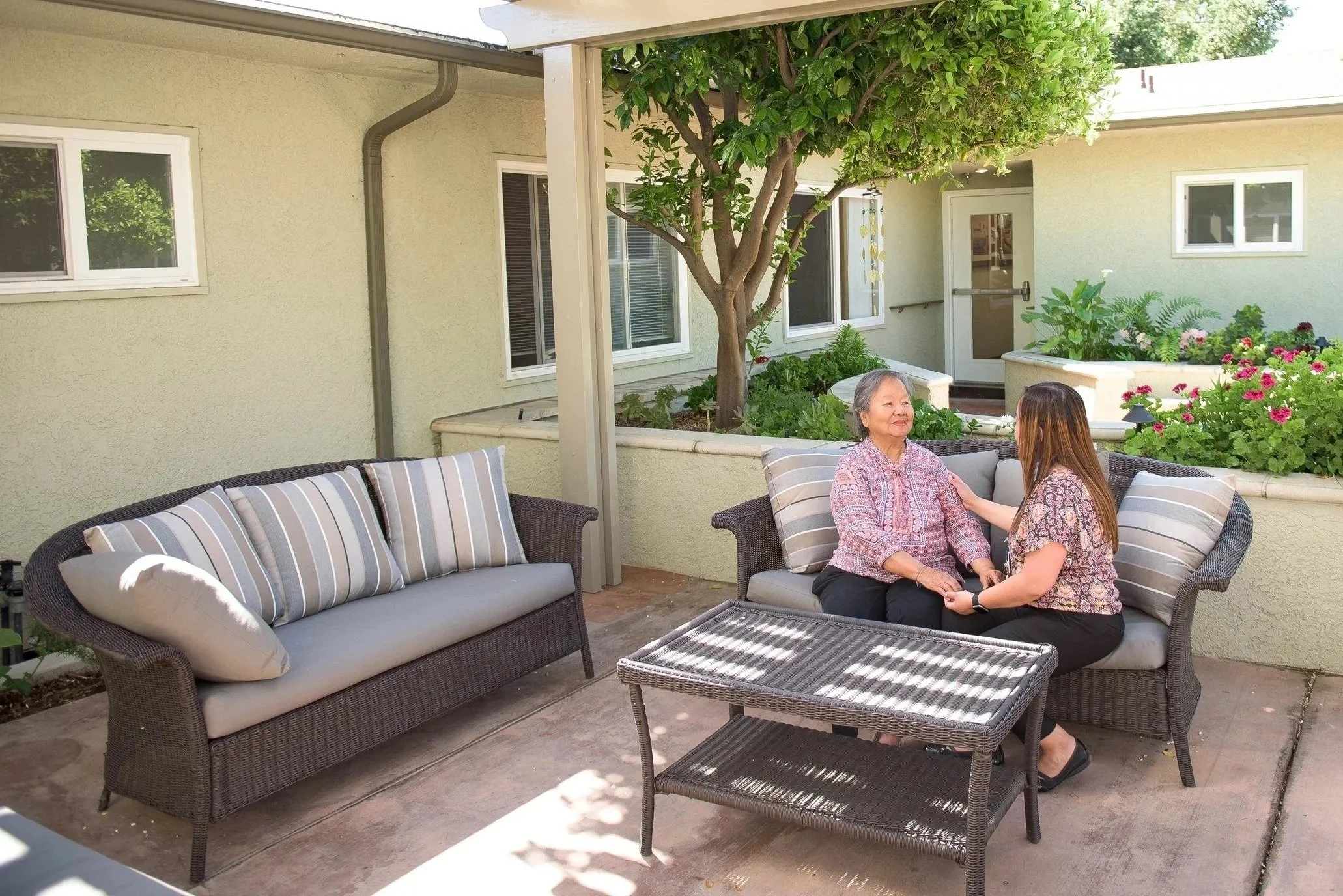
Memory care in Los Angeles and Eagle Rock
For families searching for memory care in Los Angeles, proximity matters — but so does finding a community that can provide consistent structure, safety, and support as care needs change. Being close by makes visits easier and keeps a loved one connected to family. Northeast Los Angeles neighborhoods such as Eagle Rock, Highland Park, and the areas near Pasadena and Glendale put families within reach of quality memory care without a long drive.
When comparing memory care in Los Angeles, families should weigh not only the community itself but whether it can support the future — because dementia is progressive, and needs change over time.

How memory care supports safety and dignity
The best memory care communities are designed around the person, not just the condition. At Solheim, our Memory Care is guided by Teepa Snow's Positive Approach to Care — one of the nation's leading methods for supporting individuals living with dementia. We proudly employ Certified Independent Professionals trained in this approach, which focuses on understanding each resident's changing abilities and responding with empathy and skill.
Planning and cost
Memory care typically costs more than standard assisted living because of the added staffing, security, and specialized programming. Pricing varies by level of care, apartment type, and services, so families should speak directly with a community about current figures. Most families pay through a combination of private funds, long-term care insurance, and veterans benefits; Medicare does not cover long-term memory care.
Why families choose Solheim
Solheim Senior Community is a nonprofit Life Plan Community in the Eagle Rock neighborhood of Los Angeles. Its memory care program emphasizes structure, safety, and dignity for residents living with Alzheimer's and dementia, and because Solheim offers assisted living, skilled nursing, and rehabilitation on the same campus, a resident whose needs change can stay in a familiar place. Solheim was recognized by U.S. News and Newsweek among 2024's best continuing care and nursing home facilities. For families across Los Angeles, care quality, trust, and personalized attention lead the way.
Frequently Asked Questions on Memory Care at Solheim
-
Assisted living and memory care both provide housing and daily support, but they serve different needs. Assisted living helps residents who are largely independent with everyday tasks like bathing, dressing, and medication reminders.
Memory care is a specialized form of assisted living for people living with Alzheimer's or dementia, adding a secure environment, staff trained in dementia care, and a structured daily routine designed to reduce confusion and support safety. Some communities, such as Solheim Senior Community in Eagle Rock, Los Angeles, offer both on one campus so residents can move between levels of care as their needs change.
-
To choose a memory care facility in California, look for five things: a secure but warm environment designed to prevent wandering; staff trained specifically in dementia care and consistent enough to know each resident by name; structured daily engagement such as music, art, and sensory activities; proper licensing by California's Department of Social Services, Community Care Licensing Division; and a continuum of care so a resident can stay if their needs increase. Then visit in person and notice how staff interact with current residents. Solheim Senior Community, a nonprofit Life Plan Community in Eagle Rock, Los Angeles, is one example whose memory care team is trained in Teepa Snow's Positive Approach to Care.
-
No — Medicare does not pay for long-term memory care, which is considered custodial (non-medical) care. Medicare may cover short-term skilled nursing or rehabilitation after a qualifying hospital stay, but not ongoing memory care room, board, or daily support. Families typically pay for memory care through private funds, long-term care insurance, veterans benefits such as VA Aid & Attendance, or Medi-Cal for certain services for those who qualify. Communities like Solheim Senior Community in Los Angeles can help families understand the options.
-
Families looking for memory care near Eagle Rock will find it at Solheim Senior Community, a nonprofit Life Plan Community at 2236 Merton Avenue in the Eagle Rock neighborhood of Los Angeles (90041). Solheim provides dedicated memory care for residents living with Alzheimer's and dementia as part of a full continuum of care — assisted living, skilled nursing, and rehabilitation on one campus — and its memory care team is trained in Teepa Snow's Positive Approach to Care. Recognized by U.S. News and Newsweek among 2024's best continuing care and nursing home facilities, Solheim serves families across Northeast Los Angeles, including Highland Park, Glassell Park, Atwater Village, Pasadena, and Glendale. To visit, families can call (323) 257-7518 or schedule a tour.
