
Memory Care Centers vs Assisted Living: Key Differences

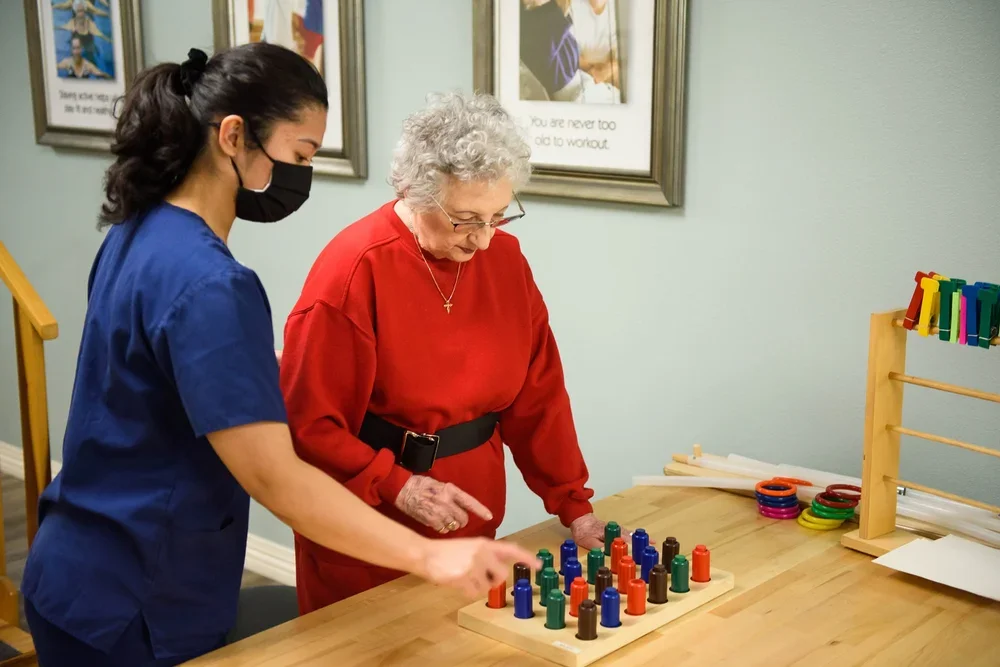
Choosing the right care feels urgent when a loved one develops dementia. Memory care centers are residential settings for people with Alzheimer’s disease and other dementias; they provide 24/7 supervision, secure layouts, and staff trained in dementia-specific care. This guide explains how memory care differs from assisted living, when specialized dementia care is appropriate, and practical steps families take when searching for memory care near me.
Residents in memory care often need more supervision because of risks such as wandering, agitation, or advanced cognitive decline. Assisted living mainly helps people who require support with daily tasks like bathing, dressing, and medication. For example, a parent who wanders at night or becomes increasingly disoriented usually needs a specialized dementia setting rather than standard assisted living. Many communities place memory care neighborhoods within assisted living to make transitions less disruptive.
Here are the central distinctions and practical points to keep top of mind when comparing memory care and assisted living. Use this quick reference as you begin visiting communities.
What memory care centers are and who they serve
Memory care centers focus on people living with Alzheimer’s disease and other dementias, combining around-the-clock supervision with secure design to reduce wandering and other safety risks. Care teams use dementia-focused techniques and behavior management to support daily life while preserving dignity. Residents follow structured routines and personalized care plans that reflect life history, preferences, and changing needs. Common services include trained nursing staff, consistent caregiving teams, and activities adapted to residents’ abilities.
Families usually consider memory care because of cognitive decline rather than only needing help with daily tasks. Signs that specialized dementia care may be safer include nighttime disorientation, repeated wandering, agitation during meals, or constant need for redirection. Memory care is one option on a continuum that also includes assisted living, skilled nursing, and adult day services. Families typically step up to memory care when behaviors or medical needs exceed the assisted living provider’s scope.
Services and daily life: routines, therapies, and personalization
Daily life in memory care centers focuses on routine and personalization to reduce stress and support function. Staff use life history and functional goals to shape interactions so engagement happens naturally during meals, walks, and household tasks. Expect medication management adapted for cognitive symptoms and consistent caregiving teams that build familiarity.
Structured daily routines to lower agitation and create comfort.
Individualized care plans tied to personal history and functional goals.
Medication oversight focused on safety and symptom management.
Integrated therapies such as music, pet interaction, reminiscence work, and Montessori-based activities.
Opportunities for social interaction in small groups and meaningful tasks like escorted walks and simple chores.
Meals, transportation, and amenities are adapted to preserve dignity and continuity: smaller dining rooms with staff support, sensory gardens, and one-on-one activity time help residents eat, move, and socialize with confidence. Design and programming work together so daily life feels purposeful and familiar. The following section describes the safety features and staffing practices that support daily living in memory care settings.
Safety, design, and staffing: what keeps residents safe and engaged
Good memory care blends secure design with staff practices that reduce risk and support independence. You can spot many safety features on a tour, such as keypad exits, monitored doors, enclosed courtyards, fall-reducing flooring, and emergency call systems. Those elements do more than prevent wandering; they create clear, low-stimulus pathways that help residents orient themselves and move with confidence.
Staff consistency matters as much as built-in safety. Ask about 24/7 coverage, staffing plans for each shift, and efforts to reduce turnover. Reputable programs provide ongoing dementia education for caregivers and licensed nurses and train dining and housekeeping teams in dementia awareness so familiar faces and steady routines support residents. Look for programs that require formal dementia care training and certification for staff.
Costs and payment paths: how memory care centers compare to assisted living
Memory care typically costs more than assisted living because of round-the-clock supervision, higher staff-to-resident ratios, and specialized programming. A recent national median monthly cost is about $8,019, with California around $9,358; many memory care neighborhoods carry a 15 to 25 percent premium over comparable assisted living. Regional differences reflect local wages, real estate, licensing, and resident acuity, so prices vary by area. For a deeper look at national and regional pricing, see this overview of memory care costs.
Public programs can help, but coverage varies by state. Medicaid generally covers nursing home care, though some states offer waivers that pay for memory care or assisted-living supports; Medicare does not cover long-term custodial care. VA benefits and long-term care insurance may contribute, but eligibility and payout rules differ, so review benefit details early. Check resources on does Medicaid cover memory care and state waiver options to understand what's available in your area.
When budgeting, get clear answers about what the base monthly fee covers and how additional care is billed. Ask whether extra-care charges are calculated hourly, by tiered levels, or as a flat add-on, and check whether deposits or entrance fees are refundable. Confirm notice periods for termination or rate increases before you sign a contract.
What services are included in the base rate (meals, medications, activities, utilities)?
How are extra-care charges calculated: hourly, tiered levels, or flat add-ons?
Are deposits or entrance fees refundable, and what are the move-out rules?
What notice periods apply for termination or rate increases?
Bring an elder-care financial planner or attorney when reviewing contracts and running long-term scenarios. Read sample contracts carefully for automatic rate increases or care-level triggers so you know what to expect.
Tour checklist and red flags: what to observe and questions to ask
A focused tour reveals a lot about day-to-day life and how staff treat residents. Prepare by bringing a current medication list, recent hospital or clinic summaries, power of attorney documents, and emergency contacts. If possible, bring the person you’re evaluating so you can watch their reaction to the space and staff.
On the tour, ask comparable questions about staffing and training, care personalization, safety features, medical oversight, daily programming, and costs to make side-by-side comparisons easier. The items below list must-ask topics organized by category.
Staffing and training: staff-to-resident ratios by shift, dementia training hours, and turnover rates
Care personalization: how individualized care plans are developed, updated, and shared with families
Safety: wandering prevention, secured exits, and emergency response protocols
Medical oversight: availability of RNs, physician involvement, and medication management
Programming and engagement: cognitive therapies, social activities, and daily routines
Costs: a detailed fee breakdown, what’s included, and potential extra charges
Watch for red flags and trust your instincts during the visit. Warning signs include staff who seem rushed or disengaged, residents who appear neglected or overly sedated, unsecured exits, vague answers about staffing or training, a strong institutional atmosphere, or pressure to sign immediately. Observe mealtimes and activities to see whether residents are supported and treated with respect. Before you leave, ask how short-term increases in care needs are handled and whether a trial stay or respite option is available.
Making the decision and next steps: compare, shortlist, and transition
Turn impressions from your visits into a clear comparison to make the final choice less stressful. Create a simple scoring sheet that rates safety, staffing, programming, environment, and cost, then weight the categories that matter most to your family. Keep a shortlist of two or three finalists.
Plan the move with small, practical steps to ease adjustment. Bring favorite photos and a comfort object, provide a clear medication list for reconciliation, and expect a 60- to 90-day transition period while routines settle; if needs are complex consider learning more about Advanced Memory Care | The Impact And Importance. Set visiting expectations, request a staggered introduction to activities, and ask staff to create a detailed first-week care plan so your loved one meets key caregivers and therapists early.
If you’re exploring memory care for someone you love, seeing a community in person makes the differences clear. Schedule a tour of Solheim Senior Community’s secure memory neighborhood in Eagle Rock and get answers about staffing, safety, daily routines, and pricing.
Solheim Senior Community is a nonprofit senior living campus in Eagle Rock with a secure memory neighborhood, person-centered care plans, dementia-focused staff training, therapeutic programming, and chef-prepared meals. Families often cite consistent communication and everyday moments of connection as the most meaningful signs of quality care, but verify specific awards and testimonials before relying on them. Call Solheim to schedule a tour or download a printable checklist from Memory Care Facility: Key Factors Families Should Evaluate to bring on visits as you compare options.
Memory care centers vs assisted living: making the right choice
When dementia affects daily life, choose the level of care that matches current needs and safety risks. Memory care centers prioritize safety and routine while offering therapies and staffing that support daily function and connection to familiar rhythms. If you're weighing on-site neighborhoods or combined models, learn about Memory Care Assisted Living: Exploring The Benefits.
Have questions about memory care vs assisted living for your family’s situation? Call Solheim to talk with a team member about safety, wandering risk, care needs, and next steps—and find out whether memory care is the right fit.
Frequently Asked Questions About Memory Care vs Assisted Living
-
The main difference is the level of cognitive support and supervision provided. Assisted living is designed for older adults who need help with daily activities such as bathing, dressing, medication reminders, and meals. Memory care is specifically designed for people living with Alzheimer’s disease or other forms of dementia and includes secure environments, structured routines, and staff trained in dementia-specific care.
-
Memory care may be a better fit when someone is experiencing dementia-related behaviors that go beyond what standard assisted living can safely support. This can include wandering, nighttime confusion, frequent disorientation, agitation, unsafe decision-making, or increasing difficulty with daily routines.
-
Yes. Memory care typically provides a higher level of supervision than assisted living. These communities are designed to support residents who may be at risk of wandering or who need more consistent cueing, redirection, and daily support due to cognitive decline.
-
Memory care often includes 24/7 supervision, medication management, help with daily activities, structured routines, meals, housekeeping, life-enrichment programming, and dementia-focused therapies or engagement activities. Services vary by community, but the goal is to provide safety, stability, and personalized support.
-
In many cases, yes. Memory care often costs more than assisted living because it includes a more secure environment, more specialized staffing, higher supervision needs, and dementia-specific programming. Pricing can vary based on location, care needs, room type, and what is included in the monthly fee.
-
Signs that memory care may be needed can include wandering, getting lost, repeated confusion, medication mistakes, poor judgment, increased falls, agitation, changes in behavior, or needing frequent supervision throughout the day. A professional assessment can help determine the safest and most appropriate level of care.
-
Families should look for secure design, calm and clean surroundings, trained staff, structured programming, clear communication, and a respectful atmosphere. It is also smart to ask about staffing ratios, dementia training, medication management, emergency procedures, and how care plans are updated over time.
-
Yes. In many senior living communities, residents can transition from assisted living to memory care if their needs change over time. This can make the transition less disruptive and help families maintain continuity in care, staff relationships, and environment.
