
How to Choose a Memory Care Facility in Los Angeles
Choosing a memory care facility for a parent or spouse is rarely a calm, well-timed decision. For many families, it comes during a period of stress, uncertainty, and urgency.
In Los Angeles, that challenge is even greater. There are hundreds of options—ranging from small residential homes to large, resort-style communities—and the differences between them aren’t always obvious.
This guide is designed to give you clarity.
You’ll learn what actually matters when evaluating memory care facilities in Los Angeles, what questions to ask on tours, and how to confidently choose a community that can provide the level of care your loved one truly needs.
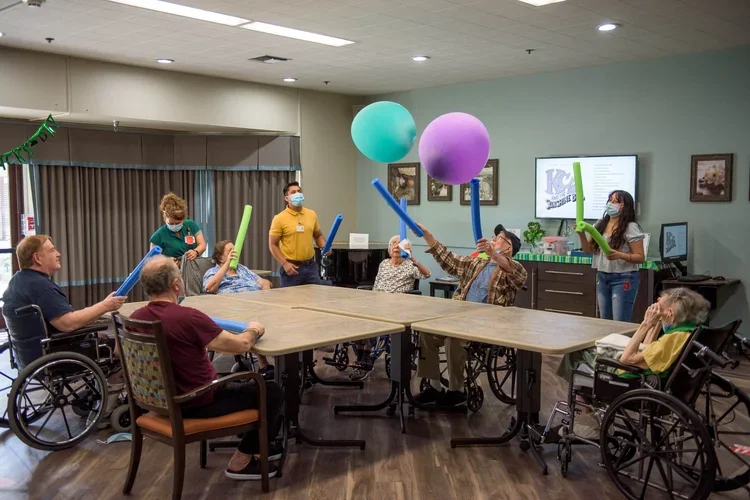
What to Look for in a Memory Care Facility (Quick Answer)
If you’re trying to make a decision quickly, focus on these five areas:
Safety-focused design (not just locked doors)
Stage-specific care models for dementia progression
Staff training and staffing ratios
Structured therapeutic programming
Transparent, clearly explained pricing
Facilities that perform well across all five areas are far more likely to provide consistent, high-quality care.
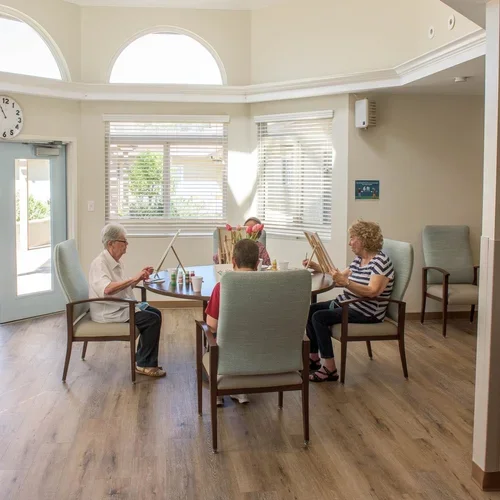
What Truly Specialized Memory Care Looks Like
Not all “memory care” is the same.
Some communities simply add a memory care wing to an existing assisted living model. Others build their entire care approach specifically around dementia.
That distinction matters more than any brochure or tour experience.
Safety Design That Goes Beyond Secured Entrances
A secured door is only the starting point.
Well-designed memory care environments are built to reduce confusion, anxiety, and risk throughout the entire space.
Look for:
Color-coded hallways and visual cues for orientation
Calm, low-stimulation common areas
Secured outdoor spaces with walking paths
Continuous sightlines for staff supervision
Emergency call systems in private rooms
Thoughtful features like camouflaged staff-only doors
If a community cannot clearly explain how its design supports residents with memory loss, that’s worth questioning.
👉 Schedule a tour and see how the environment is designed in person
Why Stage-Specific Care Matters
Dementia is not a single condition—it progresses over time.
A resident in early-stage Alzheimer’s has very different needs than someone in a later stage.
Stronger memory care programs:
Organize residents by cognitive stage
Adjust supervision and engagement accordingly
Provide different levels of stimulation and support
Facilities that group all residents together without distinction often struggle to deliver truly personalized care.
👉 Call us and ask directly how residents are grouped and how care changes over time
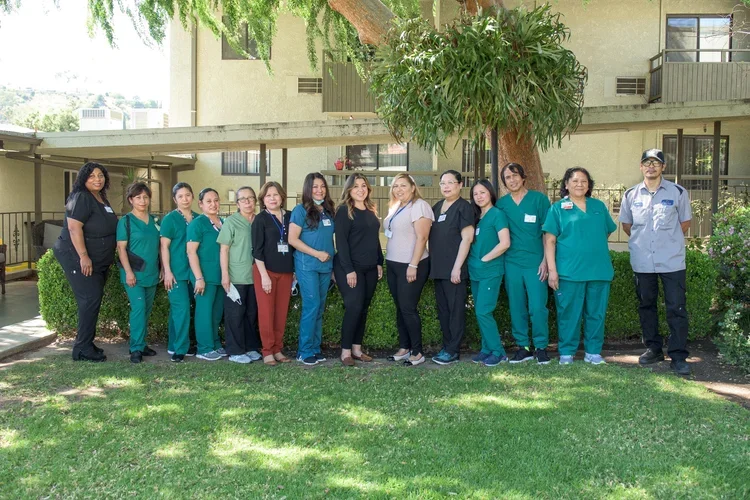
Staffing and Training: What You Should Really Be Looking For
In California, memory care falls under the Residential Care Facilities for the Elderly (RCFE) framework. This means there is no separate licensing standard specifically for memory care.
Minimum staffing requirements exist—but they represent a baseline, not a quality standard.
That’s why your questions matter.
Ask these on every tour:
Does each caregiver receive formal dementia training?
Is there a licensed nurse on-site 24/7, or only on-call?
What is the staff-to-resident ratio at night and on weekends?
What is the staff turnover rate?
Consistency in caregivers is especially important. Residents with memory loss respond best to familiar faces and routines.
👉 Speak with the team and ask these questions directly
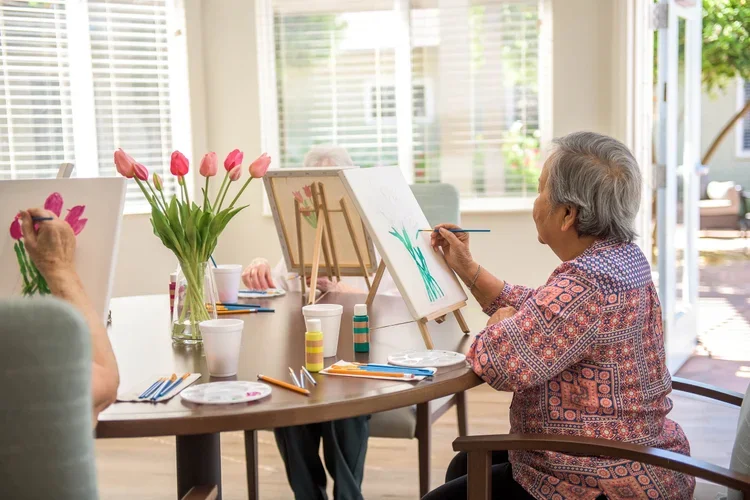
Therapeutic Programming That Supports Cognitive Health
Many communities advertise activities like music or art.
But not all programming is designed with dementia care in mind.
Effective memory care programming should be:
Structured and stage-appropriate
Built around routine and predictability
Designed to reduce anxiety and behavioral distress
Look for programs like:
Music therapy (such as SingFit)
Guided art programs
Chair yoga and movement-based activities
Cognitive engagement tools (like touchscreen systems)
Nutrition programs that support brain health
The key question:
How does programming adapt as a resident’s condition changes?
The answer will tell you a lot about the community’s approach to care.
👉 Schedule a visit during an activity to see how residents are engaged
Memory Care Costs in Los Angeles: What to Expect
Memory care costs in Los Angeles are typically higher than the national average, but they vary significantly depending on the type of community and level of care needed.
General ranges:
Board and care homes: ~$4,000 to $8,500 per month
Larger memory care communities: ~$6,000 to $9,000+ per month
Skilled nursing with memory care: ~$10,000 to $14,000+ per month
Premium locations and higher care needs can increase these ranges further.
These figures are meant to help you understand the landscape—not serve as exact pricing.
What’s Included (and What Often Isn’t)
Most communities include:
24/7 supervision
Meals
Housekeeping
Activities
However, additional costs often apply to:
Medication management
Incontinence care
Specialized behavioral support
Transportation to medical appointments
Always request a written, itemized breakdown.
Also ask:
What triggers a rate increase as care needs change?
👉 Contact Us and get clear pricing details before making any decisions
How to Evaluate and Compare Communities
A well-designed tour can be misleading.
Some communities invest heavily in presentation—but not necessarily in care.
Go deeper by:
Reviewing inspection reports from the California Department of Social Services
Reading reviews across multiple platforms (focus on consistency, not just ratings)
Asking specific operational questions
Ask questions like:
How are families notified when care needs change?
How often are care plans updated?
Are caregivers consistently assigned to the same residents?
These answers reveal far more than aesthetics.
Why Long-Standing Communities Matter
Experience matters in memory care.
Communities with decades of continuous operation have:
Established care systems
Experienced staff cultures
Consistent standards over time
Solheim Senior Community in Eagle Rock has served seniors since 1923, offering a full continuum of care, including memory care, assisted living, and skilled nursing.
That level of continuity is rare—and often reflects a deeper, more stable commitment to resident care.
👉 Learn more about Solheim’s approach to memory care
When to Start the Process (And Why Earlier Is Better)
Many families wait until a crisis.
That’s understandable—but it limits your options.
In Los Angeles, memory care communities often have waitlists, especially for higher-quality programs.
Starting early allows you to:
Compare multiple communities
Make a thoughtful decision
Involve your loved one in the process when possible
What to Prepare Before You Reach Out
Most communities will ask for:
A physician’s report
Current medication list
Cognitive assessment (if available)
Insurance and financial information
One often-overlooked but valuable step:
Create a personal biography of your loved one.
Include:
Daily routines
Preferences
Behavioral triggers
Life history
This helps staff provide more personalized care from day one.
Making a Confident Decision
Choosing a memory care facility becomes far more manageable when you know what to focus on.
Families who evaluate:
Safety design
Staffing and training
Programming quality
Cost transparency
…consistently make better decisions than those who rely on appearance alone.
If you’re beginning your search, consider touring several communities and asking the questions outlined in this guide.
👉 Schedule a tour and speak with a team member about your situation
Frequently Asked Questions on Choosing Memory Care Facilities
Choosing memory care is a major decision, and most families have practical questions as they compare options. The answers below address some of the most common concerns about memory care, including how it differs from assisted living, when it may be time to consider a higher level of support, and what to expect when evaluating communities in Los Angeles. This approach aligns well with Solheim’s guidance to create clear, answer-driven content that supports real family decision-making.
-
Assisted living supports individuals who need help with daily tasks, while memory care is designed specifically for people with Alzheimer’s or other forms of dementia, with added safety measures and specialized programming.
-
Signs include increasing confusion, wandering, safety concerns, difficulty managing daily routines, or caregiver burnout. A medical professional can help assess the appropriate level of care.
-
Most communities provide 24/7 supervision, meals, medication support, housekeeping, and structured activities designed for cognitive engagement.
-
Costs vary based on care level and community type but generally range from several thousand dollars per month to significantly higher for advanced care needs.
-
Yes, they are regulated under the Residential Care Facilities for the Elderly (RCFE) system, though there is no separate license specifically for memory care.
