
How Sensory Enrichment is Redefining Memory Care in 2026
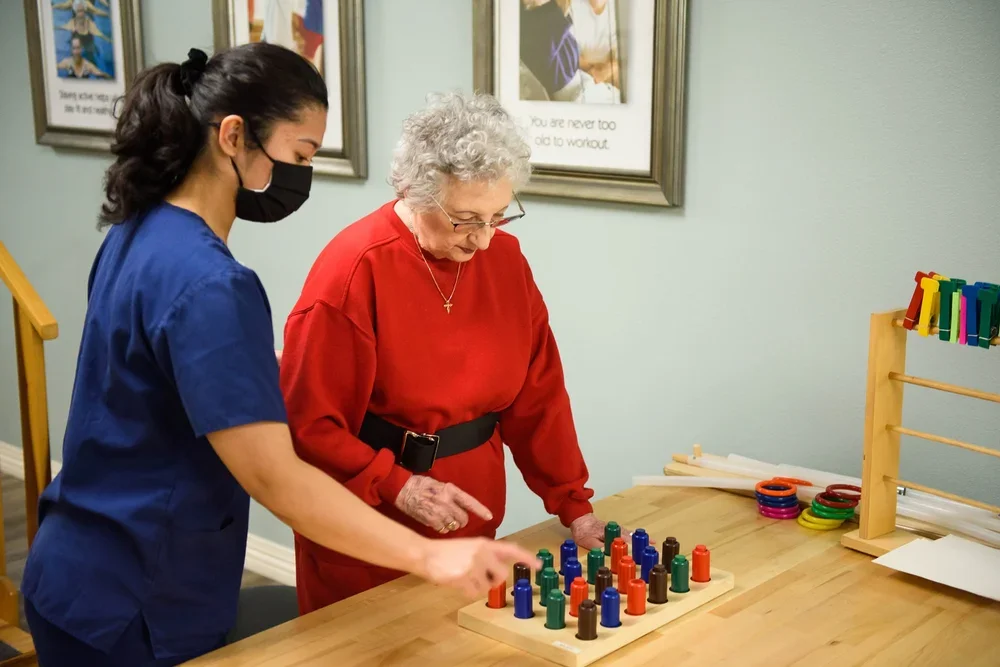
For a long time, the standard for memory care in Los Angeles was "safe maintenance" - keeping residents secure, fed, and comfortable. But now, the scientific community has moved the goalposts. We now know that the aging brain, even when facing dementia, remains capable of neuroplasticity (forming new neural connections) when provided with the right sensory stimulation.
At Solheim Senior Living, we are moving beyond maintenance. We are utilizing 2026’s most innovative sensory enrichment protocols to help residents reclaim moments of clarity and joy.
The 2026 Shift: Art as "Cognitive Exercise"
Recent clinical data released this spring (April 2026) confirms that Visual Art Therapy (VAT) and Music Mnemonics are more than just hobbies—they are vital medical interventions. Engaging in creative expression activates the visuospatial and executive control centers of the brain that are often dormant in traditional care settings.
At Solheim, our sensory enrichment includes:
Visual Art Therapy: Guided by trained facilitators, residents use painting and clay work to communicate emotions and memories that words can no longer capture.
Music & Memory Protocols: We use personalized "soundscapes" to trigger long-term memory recall, which has been shown to reduce the need for anti-anxiety medications by up to 30%.
The Halvorson Garden: Nature as a Neurological Tool
In the heart of Eagle Rock, Solheim features a unique architectural advantage: our central courtyard and garden. In 2026, "Nature Therapy" is recognized as a primary tool for reducing cognitive decline.
Our residents don't just "look" at the garden; they interact with it.
Tactile Gardening: Feeling the soil and tending to plants provides a grounding sensory experience that reduces "exit-seeking" behaviors.
Vitamin D & Circadian Syncing: Natural sunlight exposure in our secure courtyard helps regulate the body’s internal clock, ensuring residents feel more awake during the day and more restful at night.
Why a Nonprofit Campus in Northeast LA?
Most "for-profit" facilities in Los Angeles prioritize ease of management over complex sensory programs. As a nonprofit community, Solheim reinvests in the qualified facilitators and therapists needed to run these high-touch programs. We aren't just providing a room; we are providing a scientifically-backed lifestyle that honors the person your loved one still is.
Take the Next Step Toward Abundant Living
If you’ve noticed your loved one withdrawing or losing interest in life, it may not just be the dementia—it may be their environment. Transitioning to a community that prioritizes sensory health can be life-changing for the entire family.
Contact Solheim Senior Livingto discuss our neuro-supportive care.
Book a Tour to meet our Life Enrichment team in Eagle Rock.
FAQ: Sensory Health and Memory Care in 2026
-
Neuroplasticity is the brain's ability to reorganize itself by forming new neural connections. While it cannot "cure" Alzheimer's, 2026 research shows that targeted sensory stimulation (like art and music) can help the brain "bypass" damaged areas, allowing residents to maintain communication and motor skills for a longer period.
-
Music is processed in nearly every part of the brain. Familiar songs can trigger the release of dopamine and melatonin, naturally calming the nervous system. At Solheim, we use these personalized playlists to manage evening agitation, often reducing the need for sedatives or anti-anxiety prescriptions.
-
A secure, central garden like the one at Solheim’s Halvorson neighborhood allows for "safe wandering." It provides fresh air, natural light, and sensory engagement without the risk of elopement. This freedom of movement is critical for reducing the frustration and aggression often seen in "locked" clinical units.
-
Yes. Our Creative Arts Therapy is adapted for all ability levels. Whether it is through "hand-over-hand" painting, tactile fabric work, or simply listening to a live performance, we ensure every resident receives the neurological benefits of sensory enrichment regardless of their physical limitations.
-
While most memory care is private pay, many Long-Term Care Insurance policies recognize the "clinical value" of these programs. As a nonprofit, Solheim provides a transparent breakdown of our all-inclusive fees, which cover these high-value enrichment programs as part of our standard care.
