
Can Someone With Dementia Still Live Their Best Life? Yes — Here's How
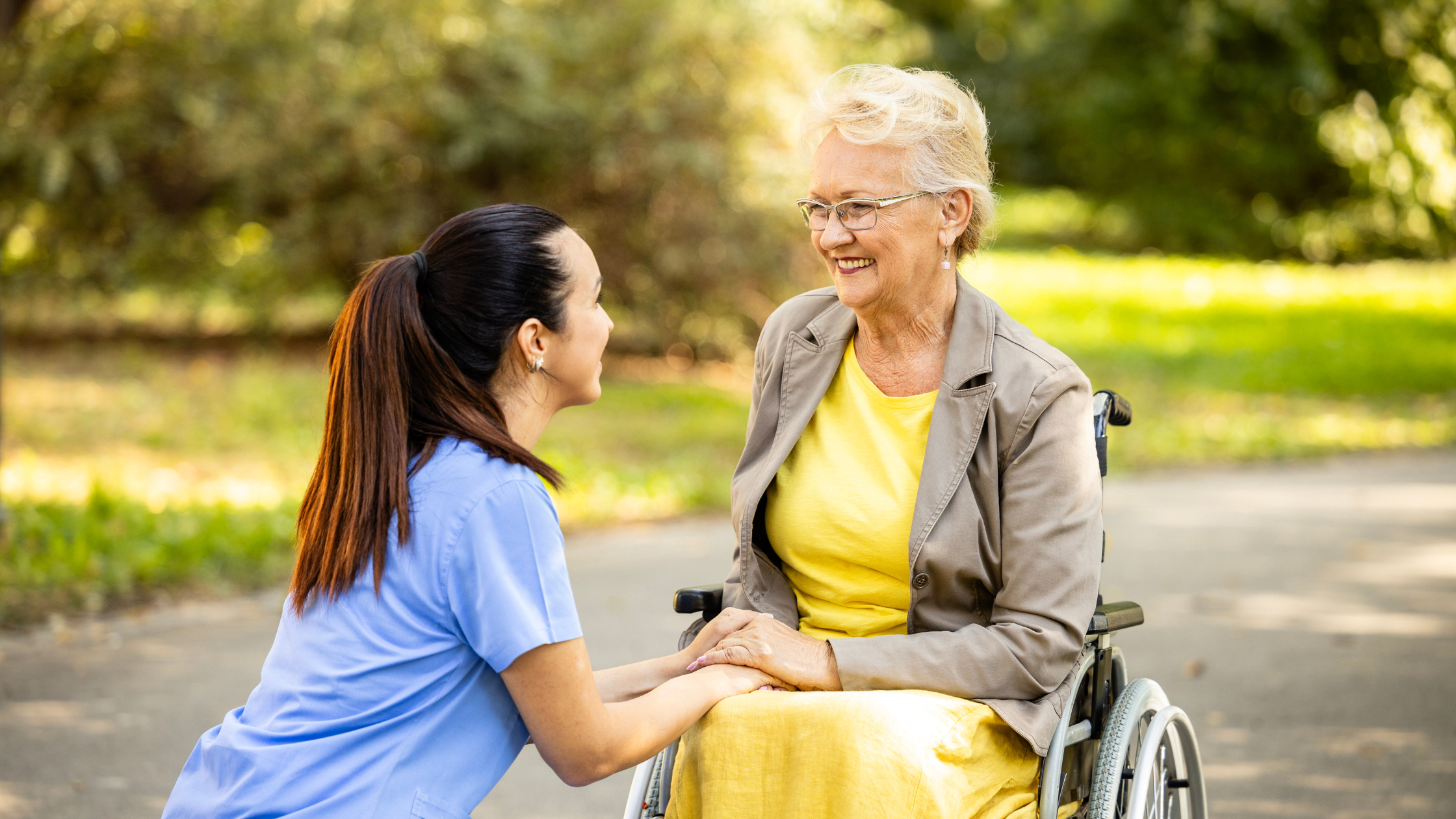
Memory care and living your best life, are not only possible after a dementia diagnosis, it is exactly what well-designed care programs are built to deliver. The fear that follows a diagnosis is immediate and real: will my loved one lose themselves completely? Will they spend their remaining years disoriented and cut off from everything that made them who they are? Those fears are understandable, but they don't tell the whole story. Modern memory care communities are not defined by what dementia takes away. They are built around everything a person still has, their history, their preferences, their capacity for joy, their hunger for connection.
The old image of a memory care unit as a locked ward with televisions and little else is exactly that - old. Today's best programs operate on a completely different philosophy, one that treats dementia as one chapter of a person's life, not the final word on who they are. At Solheim Senior Community in Eagle Rock, Los Angeles, this philosophy has guided care for over a century. The nonprofit mission shapes every decision, from how staff are trained to what a Tuesday afternoon looks like for a resident who once loved to garden.
What follows is a practical look at what modern dementia-friendly living actually involves, how it differs from assisted living, what a purposeful day in a quality program feels like, which therapies and activities have the strongest evidence behind them, and what questions to bring on any tour.
What Modern Memory Care Looks Like at Solheim
Traditional memory care was often built on a loss-focused model where the primary goal was preventing harm through restriction. At Solheim Senior Community, we believe that a diagnosis of Alzheimer’s or dementia should not mean the end of a purposeful life. Our philosophy shifts the focus from managing symptoms to "curating a life," ensuring that every resident can flourish with the dignity they deserve.
Our approach is rooted in a daily ministry that seeks to meet the physical, mental, and spiritual needs of every resident.
This holistic framework is built on several key pillars:
A Sanctuary of Love and Security: We move away from "institutional" settings toward a "Neighborhood within a Neighborhood" model. Residents live in a secure environment that uses non-intrusive systems to ensure safety while allowing them to move freely and independently throughout the neighborhood. This preserves their autonomy and dignity without the feeling of being restricted.
Nourishing the Whole Person: To engage the mind and body, we integrate evidence-based activities like music mnemonics and specialized art programs designed to spark deep-seated memory recall. Our culinary program provides nutrient-dense, chef-driven meals tailored specifically to support brain health, elevating the dining experience far beyond standard fare.
Abundant Living and Spiritual Care: As a faith-based nonprofit, our mission is to provide "abundant living." We minister to the spirit through Christ-centered outreach, ensuring that residents feel emotional and spiritual safety alongside their physical care.
Empowerment and Retained Abilities: We recognize that individuals with memory impairment still have the capacity to experience joy and meaning. Our staff is trained to support independence, encouraging residents to participate in daily routines and celebrate small achievements—whether it’s tending to a plant or sharing a life story.
Compassionate, Specialized Dementia Training: Our memory care team is trained in Teepa Snow’s Positive Approach to Care® methodology, a nationally recognized, person-centered approach to dementia care. This training helps staff better understand the changing abilities of individuals living with dementia and equips them with communication and caregiving techniques that emphasize empathy, dignity, connection, and retained abilities rather than limitations. By meeting residents where they are, our team is able to create more meaningful interactions while helping residents feel valued, understood, and supported each day.
The research behind these person-centered approaches is substantial. Studies show that shifting from institutional care to a household model significantly reduces agitation and depression while improving overall quality of life. At Solheim, this evidence-based care is delivered within a Full-Continuum (Life Plan) Community, allowing residents to age in place among familiar faces and surroundings, even as their needs evolve. For those seeking a community rooted in love, peace, and security, our philosophy ensures that memory care is not about loss, but about preserving the stories and connections that matter most.
Memory care vs. assisted living
Many families arrive at this decision genuinely unsure whether their loved one needs memory support services specifically or whether assisted living is enough. The honest answer depends on three things: the level of cognitive impairment, the behavioral presentation, and the safety risks involved.
Staffing is the most significant practical difference. Memory care teams receive intensive, specialized training in the behavioral and emotional dimensions of cognitive decline, including de-escalation techniques, behavioral redirection, and communication strategies for residents who are no longer verbal. General assisted living staff are trained to support activities of daily living, not to manage the specific challenges of dementia. Memory care communities typically maintain staffing ratios of one caregiver to three to six residents, compared to ratios of one to eight or higher in standard assisted living. That difference shows up in the quality of every interaction throughout the day.
The physical environment is also purpose-built in memory care. Secured perimeters, enclosed courtyards, easy-to-navigate floor plans, color-coded hallways, and reduced visual clutter all serve a specific function: reducing confusion and anxiety, not just the risk of wandering. A standard assisted living building is not engineered for cognitive impairment, and that gap matters as dementia progresses.
The transition from assisted living to memory care makes sense when you see increasing disorientation, wandering, an inability to follow general programming, or growing caregiver strain. Frame this move as a step toward more support, not a step backward. At Solheim, a full continuum of care means a resident doesn't have to leave behind the relationships and routines they've already built.
The daily rhythm that helps residents with dementia thrive
Structure provides security for people with dementia, but there is a meaningful difference between rigid institutional scheduling and a natural rhythm that gives the day shape without erasing flexibility. The best memory care communities achieve the second, not the first.
Mornings in a quality program start gently. Soft lighting or preferred music eases the transition from sleep. Assistance with dressing and hygiene happens at the resident's own pace, not on a rushed institutional timeline. Communal breakfast doubles as social time, and hydration is emphasized throughout the morning because dehydration measurably worsens cognitive symptoms. Light chair yoga or a short walk follows, setting a positive physical tone before the day's activities begin.
Afternoons are where engagement deepens. Reminiscence groups, trivia, puzzles, arts and crafts, music sessions, and gardening therapy are woven into the schedule based on ability level and personal history. Outdoor time in secured gardens provides nature exposure and physical movement without anxiety. The goal is variety within predictability, the schedule is consistent, but no two days feel identical.
How Solheim Senior Community makes this real every day
Solheim Senior Community has been serving seniors in the Eagle Rock neighborhood of Los Angeles since 1923. As a nonprofit 501(c)(3) organization, its decisions are guided by resident well-being, not shareholder returns. That distinction isn't merely philosophical, it shows up in staffing ratios, programming investments, and the culture that defines everyday life on campus.
Solheim's continuum of care is one of its most powerful assets for residents living with dementia. Because the community offers residential living, assisted living, memory care, skilled nursing, and rehabilitation services under one roof, a resident never has to relocate as their needs change. For people with dementia, familiarity is a clinical necessity, disrupting established routines and relationships measurably accelerates disorientation and behavioral disturbance. Staying in a familiar environment with familiar faces is itself a form of care. For context on planning and supply challenges across the region, see this 2026 Guide: Navigating the Memory Care Shortage in Los Angeles.
The memory care program at Solheim reflects Best Life principles in practice: personalized routines built around each resident's history and retained abilities, programming that reaches beyond basic cognitive stimulation, and secure but home-like environments that reduce anxiety without creating confinement. The Eagle Rock campus is accessible to families throughout Pasadena, Glendale, Burbank, and greater Northeast Los Angeles. Tours are available Monday through Saturday for families ready to see the program firsthand.
Questions to ask when evaluating any memory care program
A tour is only as useful as the questions you bring to it. These are not items on a compliance checklist, they are conversation starters that reveal whether a community's care philosophy is real or aspirational.
About philosophy, training, and care approach:
How do your staff describe the purpose of your memory care program? Do they lead with safety, or with quality of life?
What dementia-specific training do all staff receive, including housekeeping and dining teams?
How are individual care plans created, and how often are they updated as a resident's needs change?
About daily life, programming, and family involvement:
Can you walk me through a typical weekday and a weekend day for a resident at my loved one's stage of dementia?
What activities are available for residents who are no longer verbal or mobile?
How does your community involve family members in programming and care decisions?
Pay close attention to how staff answer these questions, not just what they say. A team that actually practices person-centered care will answer with specifics and real examples. Vague references to "activities" and "safety protocols" tell you something too.
Dementia does not end a life well-lived
The core message of modern memory care is straightforward: a dementia diagnosis is not the end of a meaningful life. Joy, connection, and purpose remain within reach when the right care environment surrounds a person. The markers of a quality program are clear, a person-centered philosophy that is genuinely practiced, structured routines with real flexibility, evidence-backed activities tailored to individual ability, specialized and consistent staffing, and spaces designed to reduce confusion rather than compound it.
Memory care and living your best life, is not a marketing phrase. It is what happens when a community commits to seeing the whole person, not just the diagnosis. If your family in the Los Angeles area is navigating this decision, Solheim Senior Community welcomes you to experience what that commitment looks like in practice. The Eagle Rock campus carries more than 100 years of mission-driven care, and the team is ready to answer every question you bring. Schedule a tour Monday through Saturday and see it for yourself.
FAQ
-
As a 501(c)(3) non-profit with a 100-year legacy in Eagle Rock, Solheim reinvests its resources directly into resident well-being rather than shareholder profits. This translates to better staffing ratios, higher-quality "Abundant Living" programming, and a mission-driven culture that prioritizes the spiritual and emotional dignity of our residents over the bottom line.
-
Yes. As a Life Plan Community (CCRC), Solheim offers a full continuum of care. This is a vital clinical advantage; because we offer residential living, assisted living, memory care, and skilled nursing on one campus, your loved one can transition to higher levels of support among familiar faces and surroundings. This continuity significantly reduces the "transfer trauma" often associated with dementia.
-
Absolutely. At Solheim, we believe a diagnosis is a new chapter, not the end of the story. By focusing on "curating a life" rather than just managing symptoms, we help residents engage in meaningful routines—from tending to our secure gardens to participating in music mnemonics. Our person-centered approach ensures that joy, connection, and a sense of accomplishment remain a daily reality for those living with memory loss.
